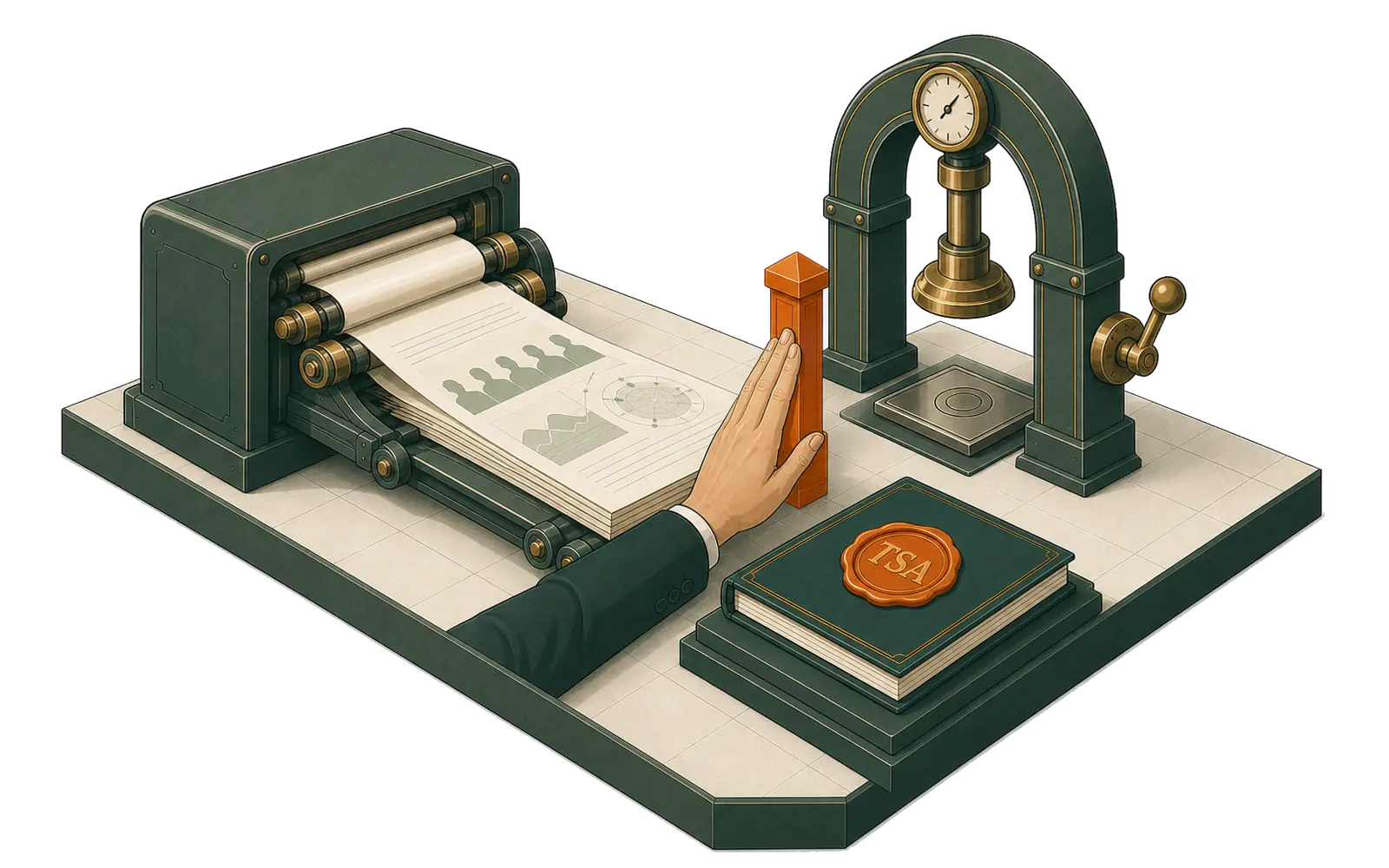
Most reviews test a deliverable against the people who built it. We test it against the people who will judge it.
01 · The problem
The blind spot
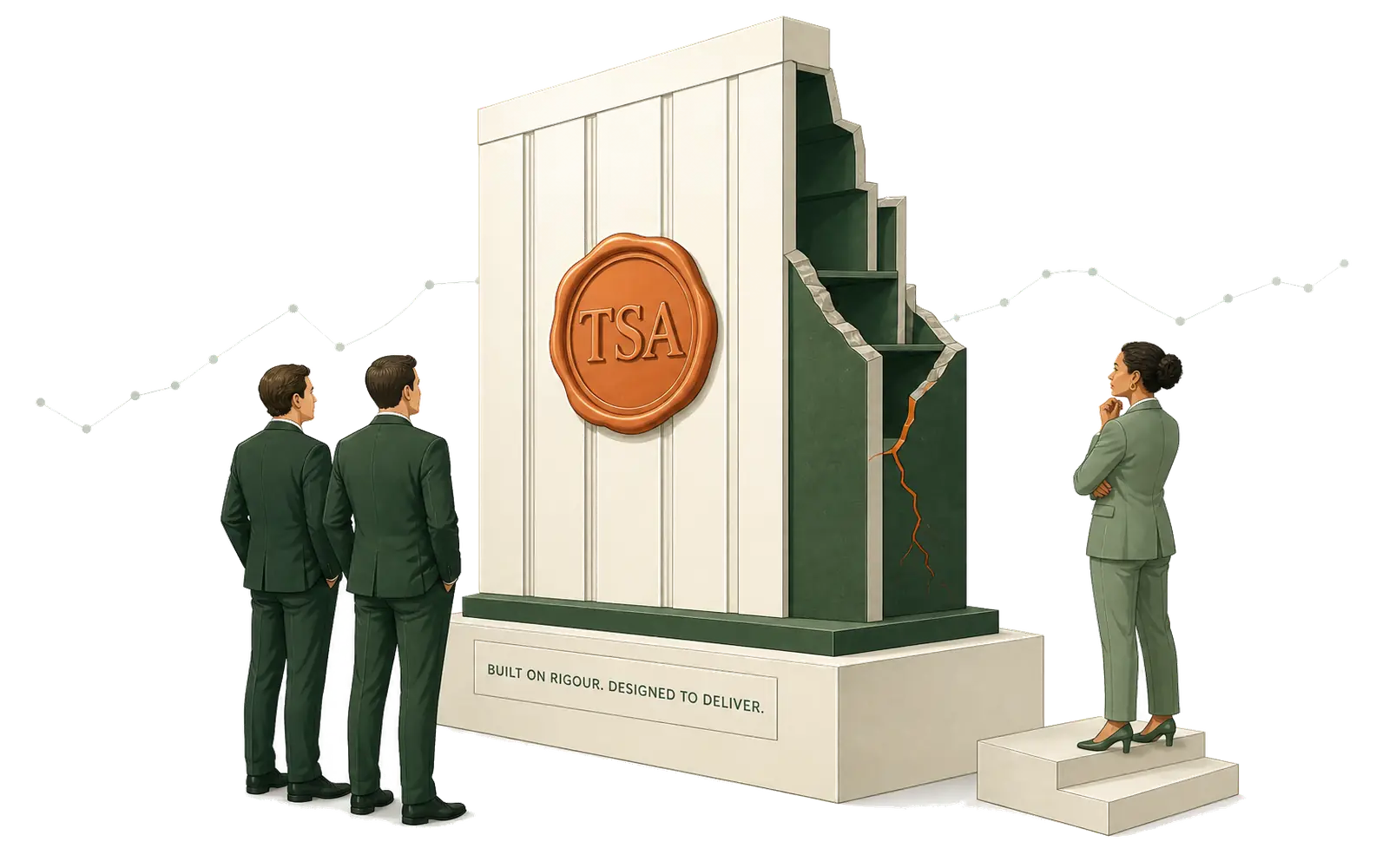
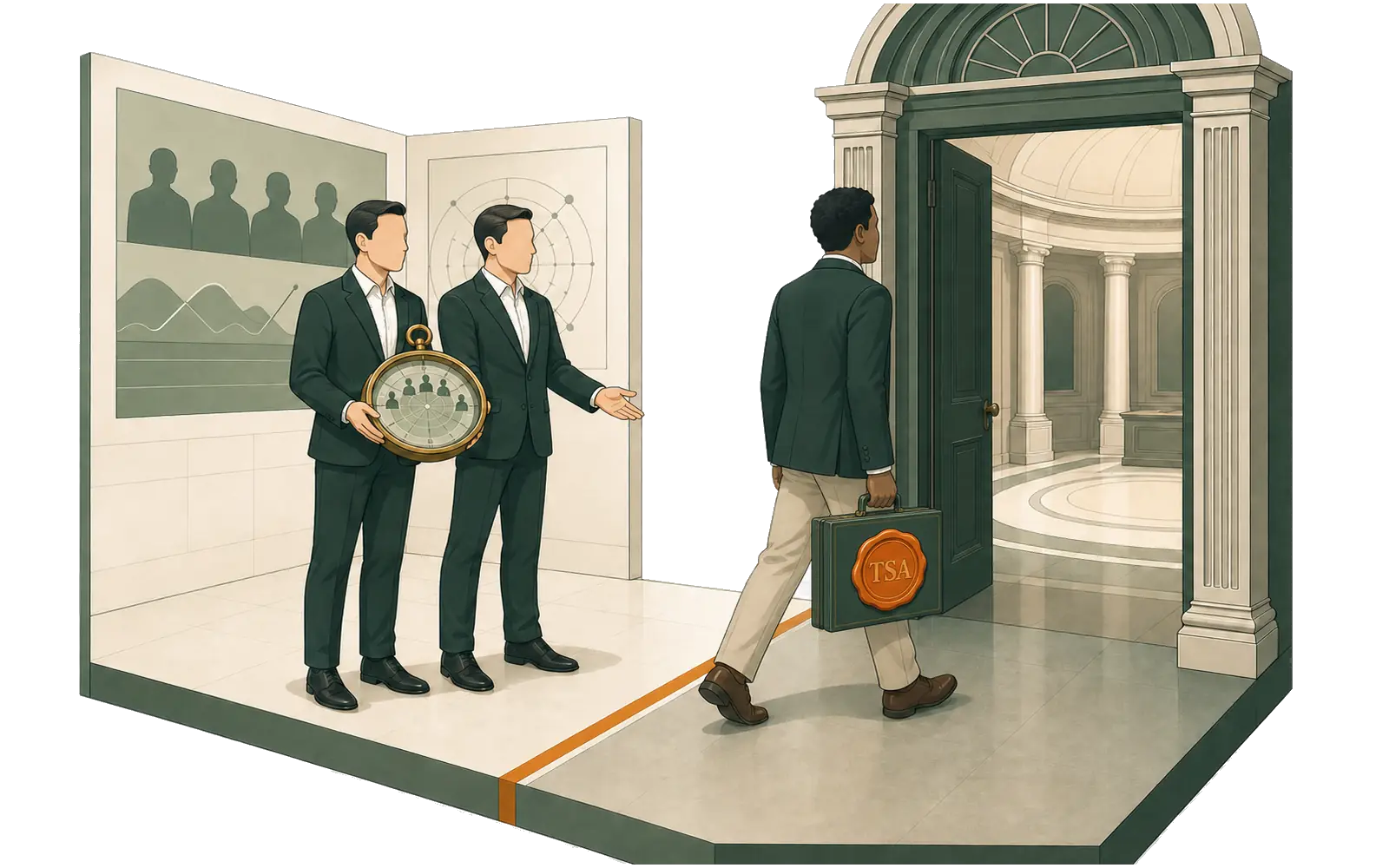
The people who build a deliverable stop seeing its assumptions; the room that decides reads it cold, and that distance is where critical work fails.
02 · The audience read
What we model
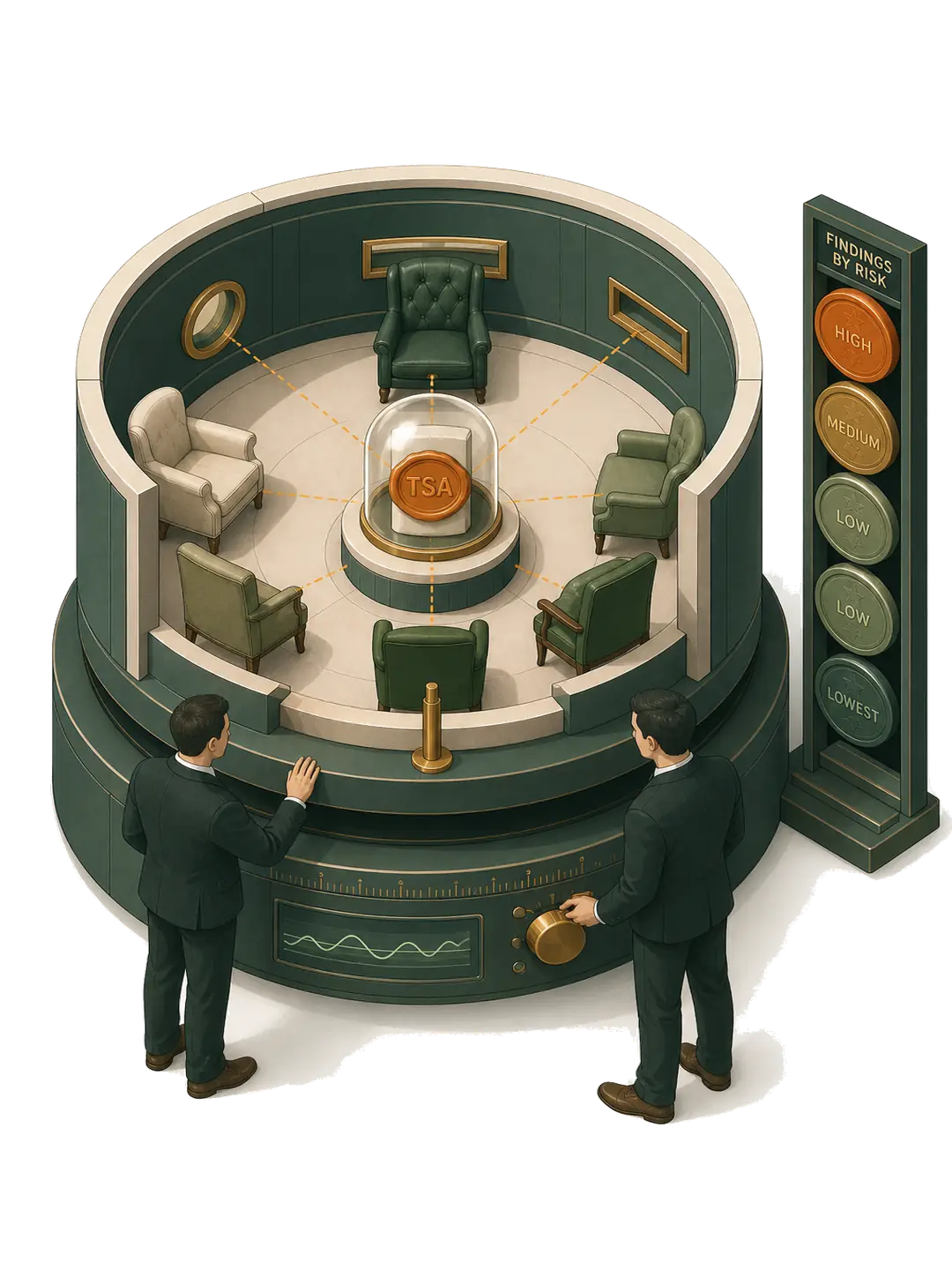
We build a realistic picture of the room, read your deliverable from each seat, and return a structured report your team can interrogate: section-by-section findings, each risk-ranked. The report also confirms where the work holds.
03 · Two routes
Test it, or build it
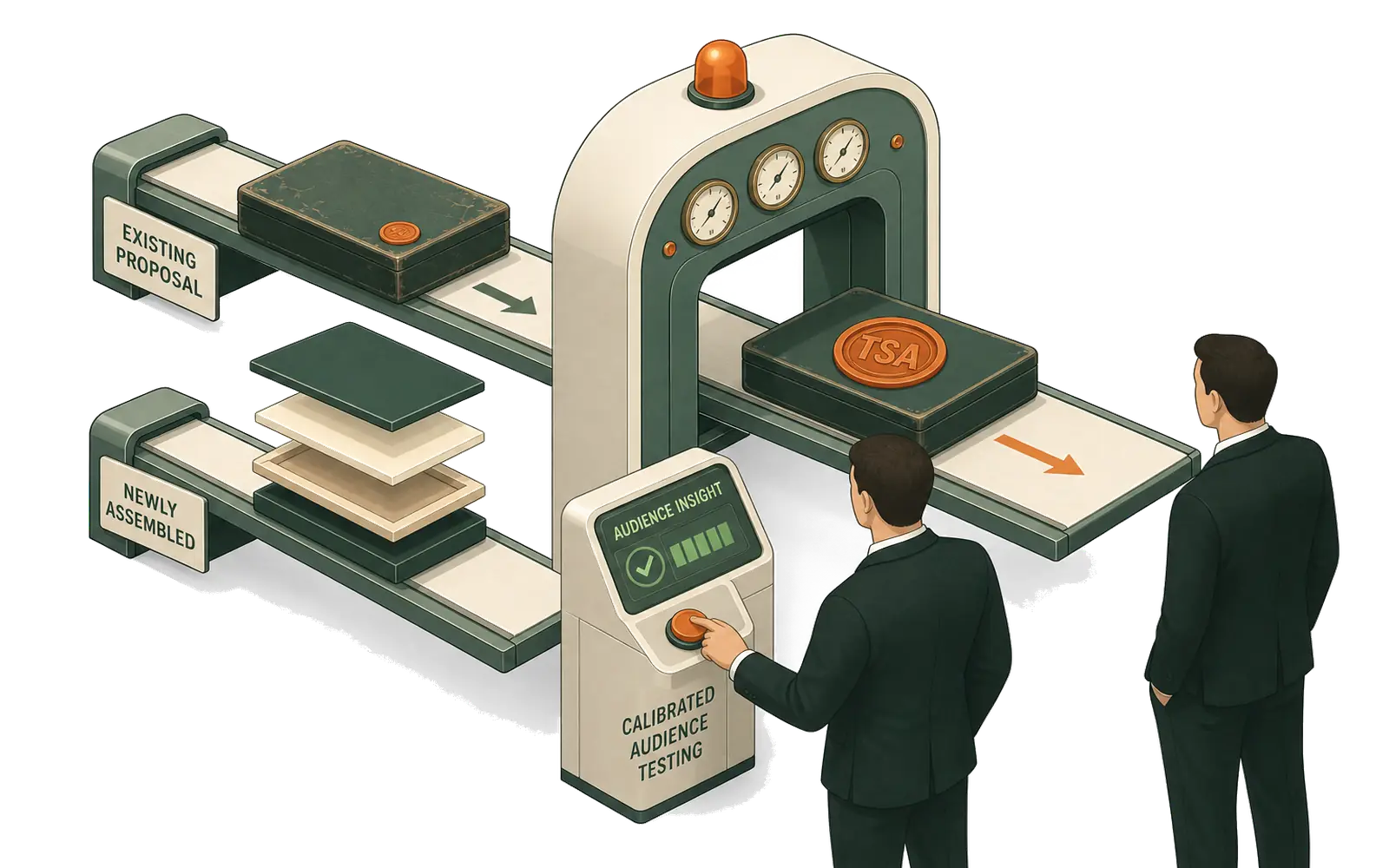
We can test a deliverable your team has written, or write the first draft ourselves: a tender response, a scope of work, a board paper, an investment case. The second route is for a deliverable that needs senior drafting hours the calendar does not have. Either way the deliverable is read against the same room, including when the draft is ours. Your team reviews, edits, adopts, and owns the result.
04 · The boundary
Where the line sits
We do not submit your work, and we do not stand between you and your client. We surface what the audience will do with the deliverable. We do not manage the relationships or the politics that sit outside it. We stand behind the rigour of the method and the discipline of the scope. We do not guarantee the decision. The room is yours.
05 · Human control
Method, not machinery
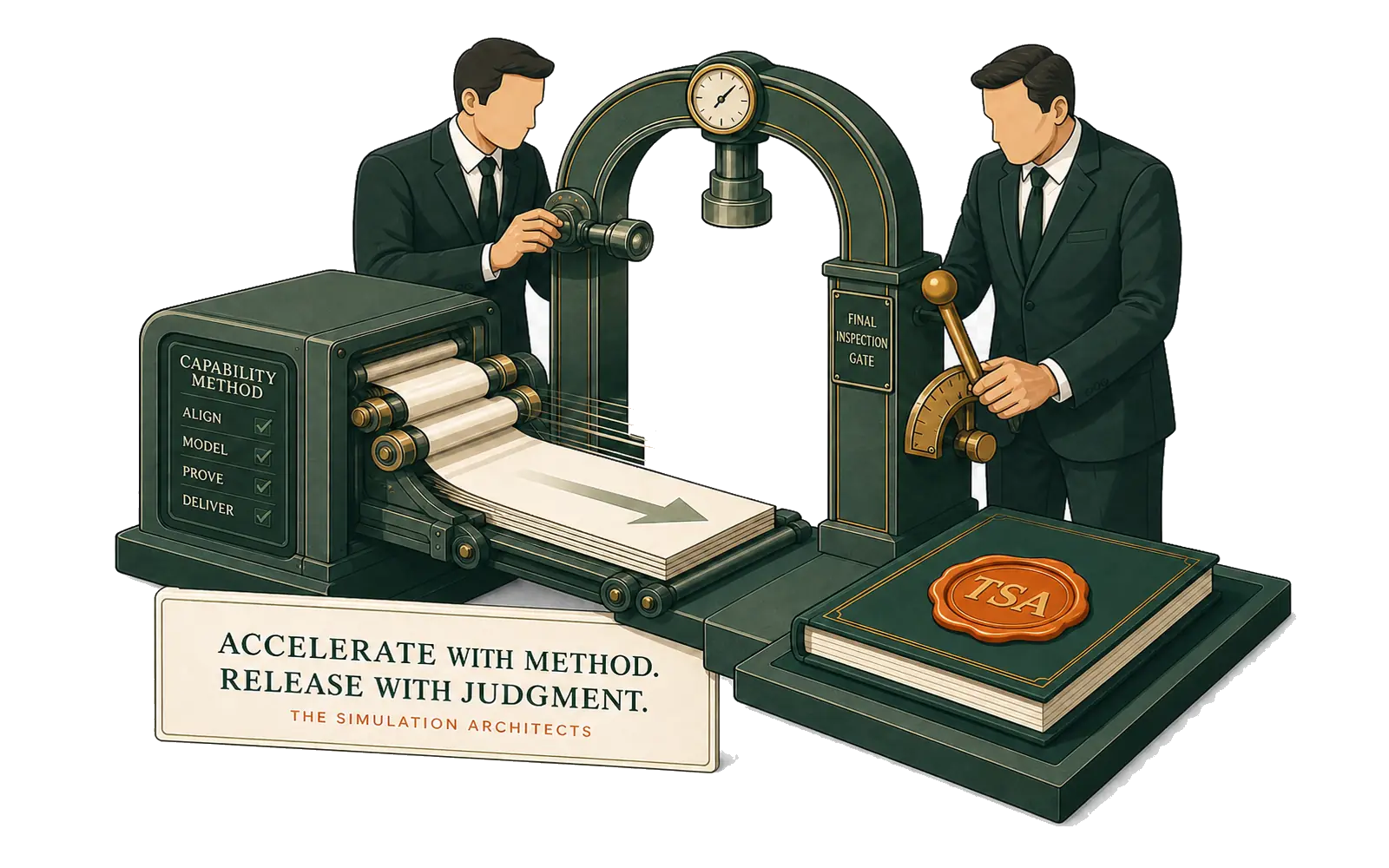
The tools are AI. The judgement is not. The founders direct a purpose-built system of their own design, and the tools do not decide what matters. Nothing reaches you without passing through their hands. The result is senior-grade work in days, not weeks.
06 · The limit
Where the tools stop
AI-assisted work fails in a particular way. It is most confident just past the point where it stops being reliable, and from inside the work, that point is often invisible. We treat the boundary as part of the job. Where a finding rests on ground the tools cannot verify, the work says so, in the document itself. That is the difference between work that sounds finished and work you can use to support a decision.